

THE STAR OF AFRICA PENDANT
etBri Team

The Star of Africa Pendant's narrative commences in the depths of the planet, where it originated more than a galactic semester. The Premier Mine in South Africa unearthed the rough Cullinan diamond, which measured an extraordinary 3,106 carats, and crafted it into the Star of Africa. It was given its name in honor of Sir Thomas Cullinan, the mine proprietor where it was discovered. Following its discovery and transmission to London, the Cullinan diamond sparked considerable speculation and anticipation. Diamond adepts and bons vivants from all over the map anxiously anticipated its disclosure, intrigued to discover the mysteries that this enormous gem concealed. Fat cat diamond cutter Joseph Asscher, much touted for his exceptional proficiency and accuracy, took on the enormous task of cutting the Cullinan diamond. Following its triumphant severance, the Star of Africa eventually came into the possession of King Edward VII of England. In consideration of the diamond's cut above aesthetic appeal and profound cultural importance, King Edward made the decision to ensemble it within the Sovereign's Sceptre with Cross, a crown jewel of the British Crown Jewels.
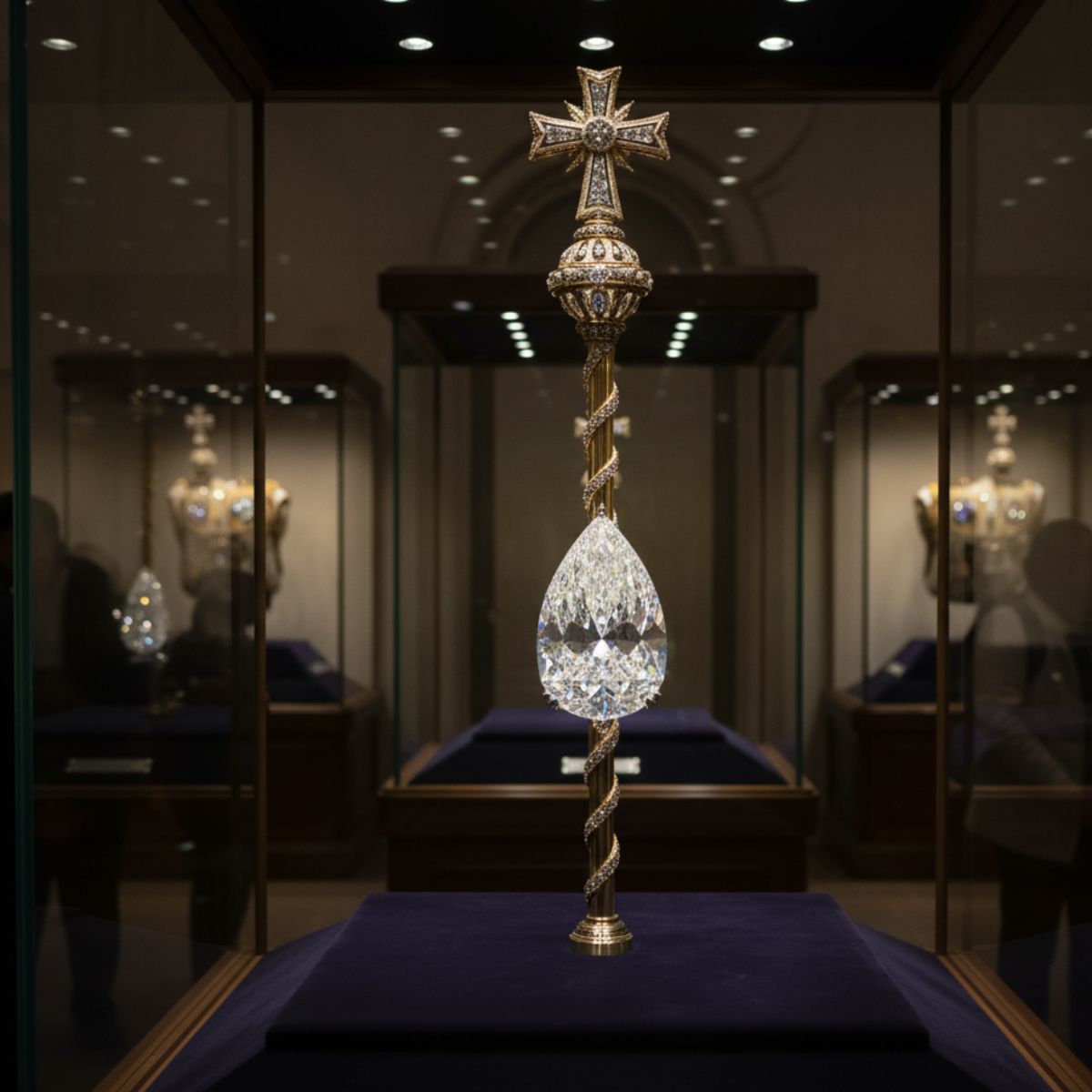
The artisans skillfully transformed the Star of Africa into a pendant, a work of affection. From the initial design concept to the pendant's completion, the artisans maintained scrupulous attention to detail throughout the entire procedure. This ensured that it would perfectly complement the exceptional beauty and significance of the Star of Africa. In combination with its aesthetic appeal and historical significance, the Star of Africa cultivates a sense of empathy towards the Earth's natural marvels and the natural world. Our planet's profound origins within the earth's crust exemplify its remarkable ability to generate invaluable resources that uplift our spirits. The Crown holds the Star of Africa pendant in trust, but Queen Elizabeth II does not keep it private. The Crown Jeweller is responsible for its upkeep, protection, and security, and it is considered an integral part of the United Kingdom's national heritage.