

PEAR CUT ENGAGEMENT RING
etBri Team
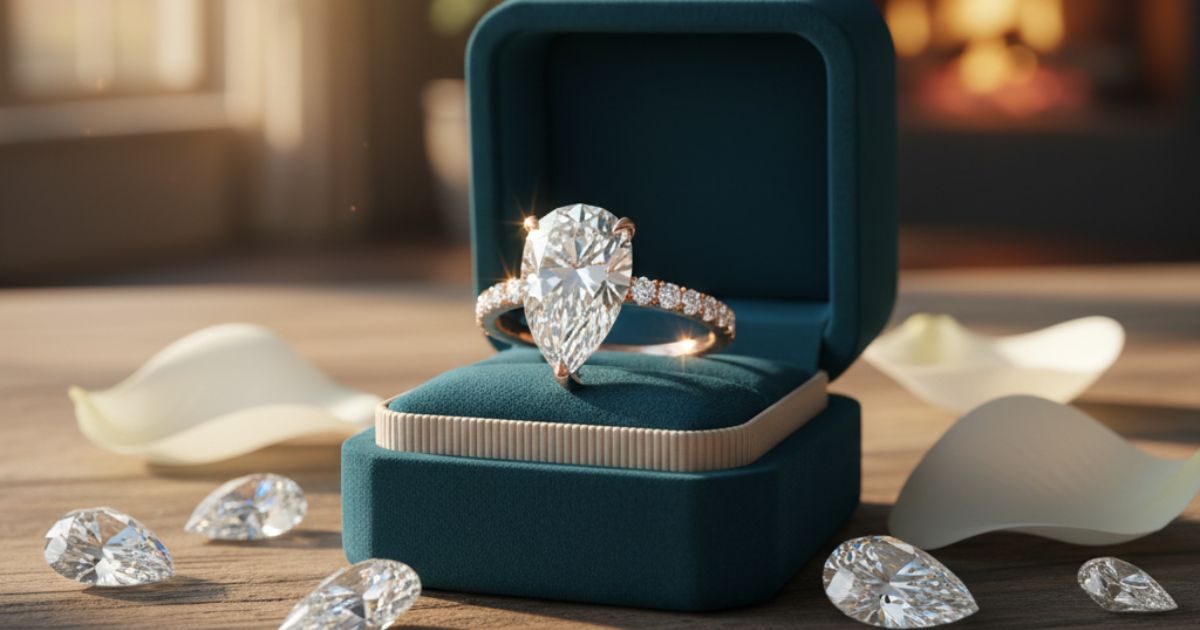
This peculiar cut—also called the pendeloque or teardrop cut—blends the prolonged form of a marquise cut with the gleam of a round cut to establish an appealing shape that beams refinement and grace. The Flemish diamond cutters were the people who altered raw diamonds into the delightful gemstones we see today. They came from the Flanders region, which incorporated parts of present-day Belgium, the Netherlands, and France. The PEAR cut has its origins in the 15th century, when Flemish diamond cutters created the process of faceting diamonds to enhance their glare and glow.
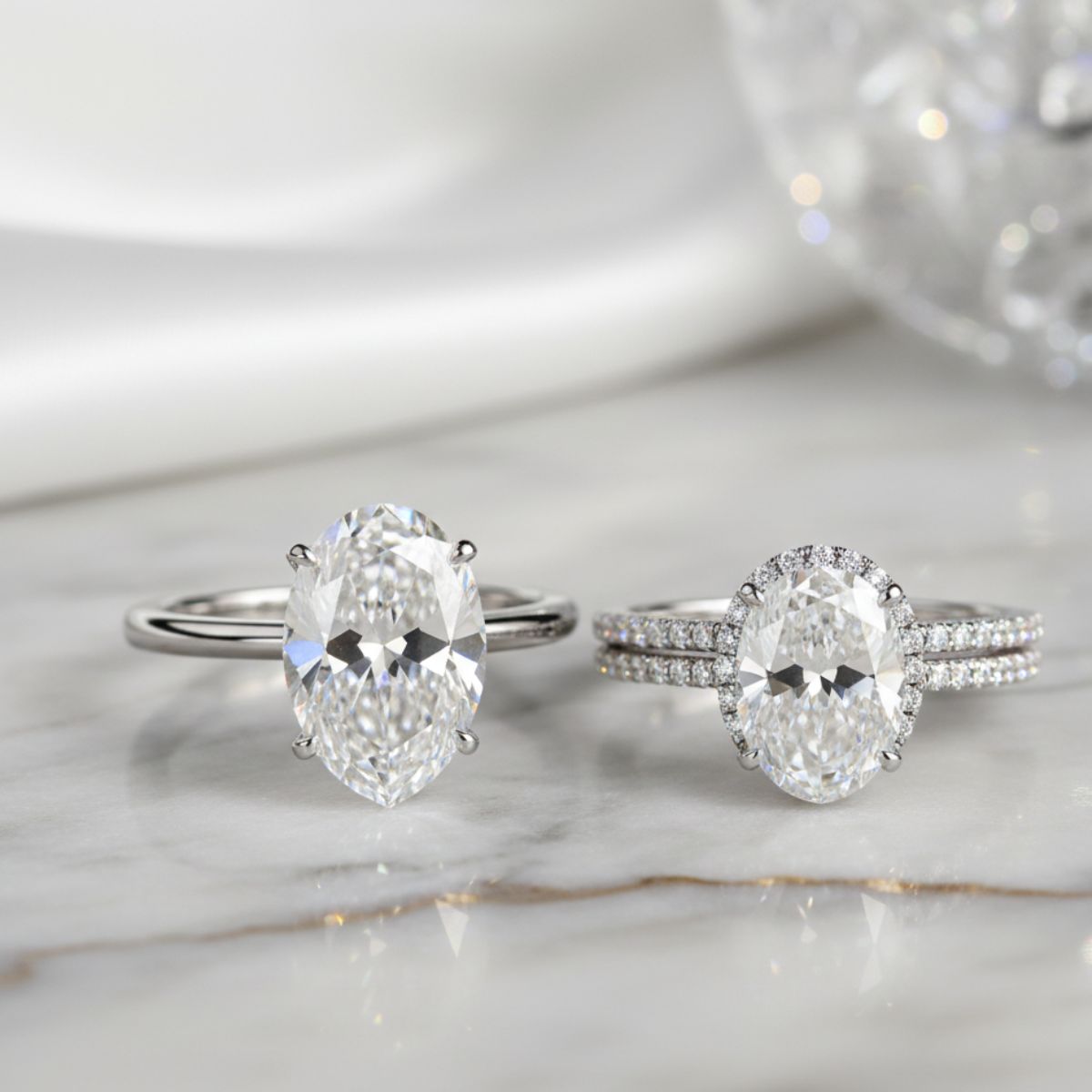
This cut was first mostly utilized for non-diamond gemstones, like rubies and sapphires. As a befitting depiction of the tie that combines spouses as they set forth on a lifelong journey together, the teardrop-shaped PEAR cut is frequently bound to emotions of elation, love, and desire. Every ring will be as classifiable as the love it exemplifies because of this cut's resilience, which also lets it be merged with an assortment of settings and designs. To further enhance the wearer's finger or furnish the appearance of greater parity, the jagged end of the PEAR cut can be located to suit individual tastes. Guaranteeing that each ring is as typical as the love it symbolizes, the PEAR cut readily adjusts to a variety of styles and settings.
It can be set in a classic solitaire setting to spotlight the diamond's notable transparency and fire, or garnished with pavé diamonds for further brilliance. For many years to come, it will continue to flash thanks to its copious history and elegant touch. The angular tip, which denotes direction and forward momentum, and the rounded end, which stands for amalgamation and fulfillment, represent the couple's shared goals and aspirations for the future. Against this backdrop of longing and devotion, the PEAR cut incarnated—a teardrop of light and fire that reflected the goals of people who ventured to love without dread or reluctance. May it never fade out—an accolade to the beauty of two souls dancing together forever and the enduring force of love.