

KOHINOOR DIAMOND
etBri Team
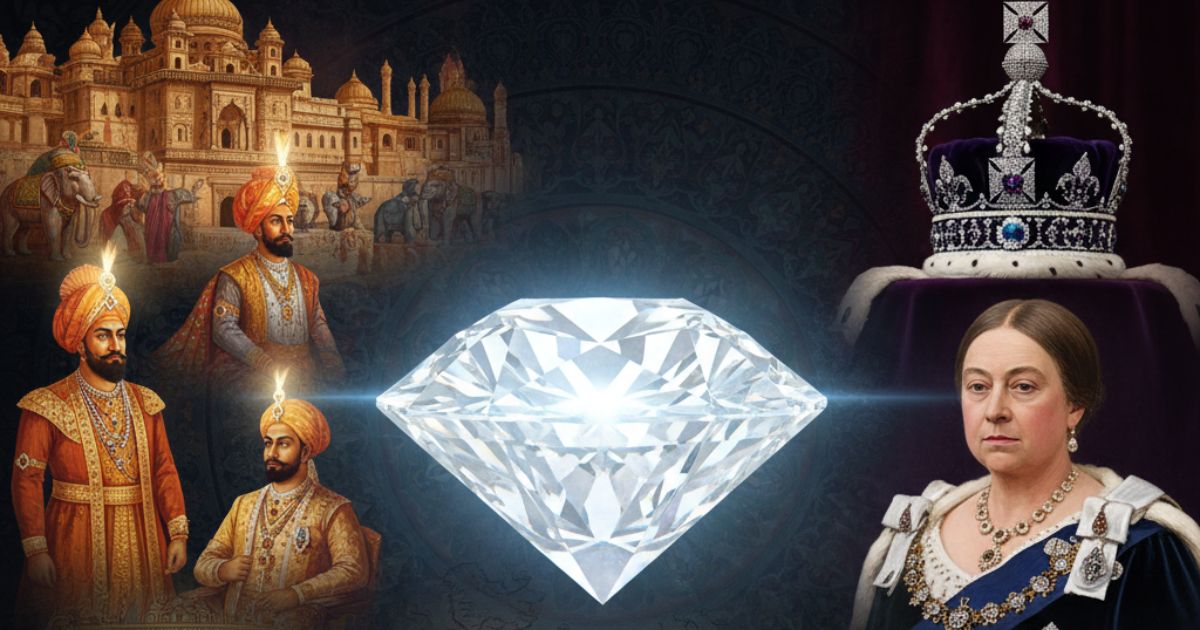
ACCLAIMED WHITE DIAMONDS
The British Crown Jewels and the globe’s leading museums curb white diamonds as buoys of splendor, marvel, and interminable passion, waving us to see the brilliance of nature's most dear nuggets. As we navigate through the past and the innermost parts of the earth, the legends of the world's grandest white diamonds haul us in. Each one depicts how fine, riveting, and ineffable these gems are. All gemstones have their myths that surpass time and apprehend the mind. For example, the Koh-i-Noor Diamond is a memoir that goes back hundreds of years and is full of tales and fables. The Hope Diamond has gripping blue depths. The whole nine yards of a white diamond glisten with the light of a chiliad star, making it a master of art in essence and human vision.
KOHINOOR DIAMOND:
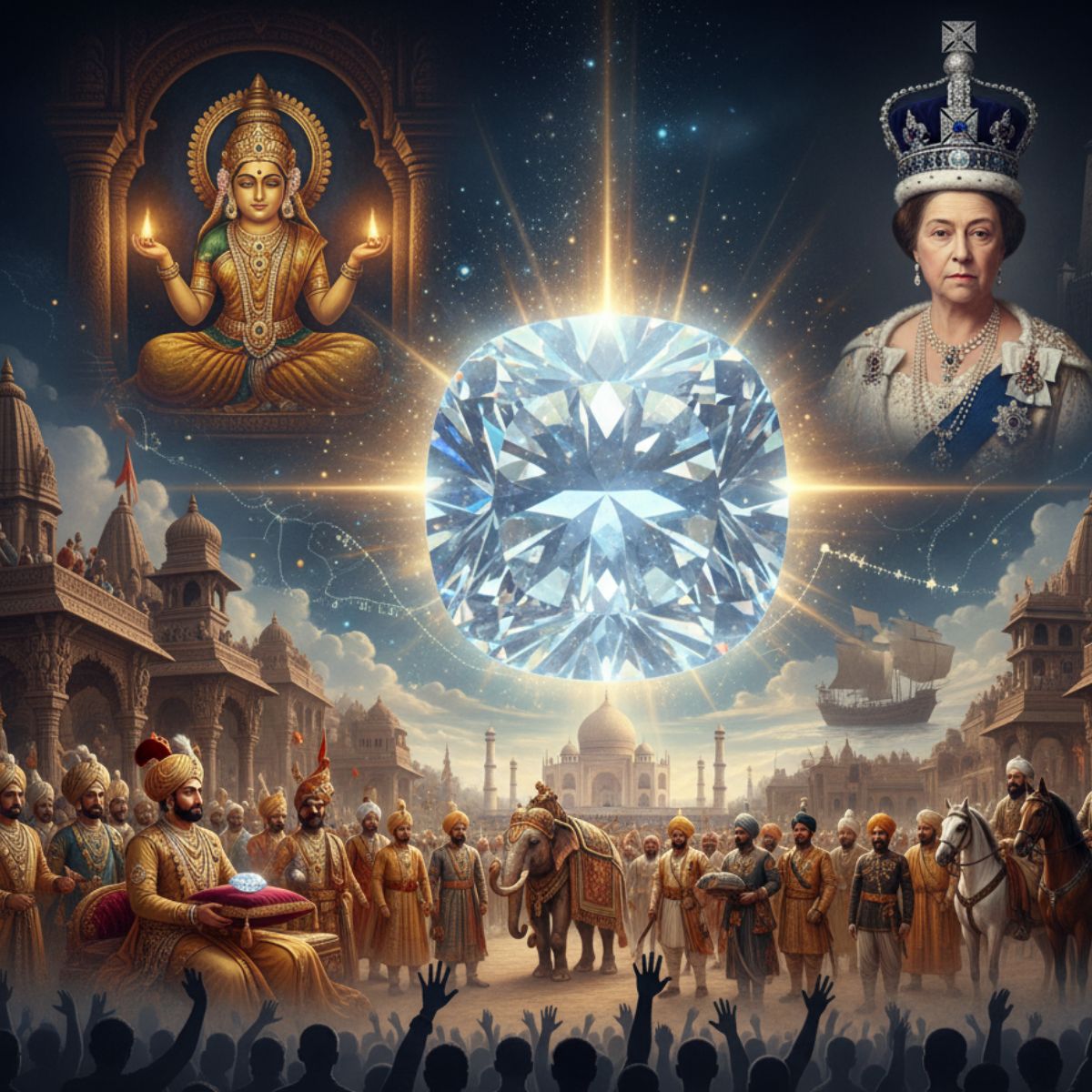
The name KOHINOOR, which emerges from India and means "Mountain of Light" in Persian, outfits it correctly because it makes the existence of those who possess it optimistic. People express that this diamond was first written about in historical annals from the 14th century when disparate Indian dynasties were in rule. In history, the Kohinoor diamond has been on the crowns of kings of the Kakatiya kingdom, the Mughal Empire, and the Sikh Empire. The British East India Company nabbed the gem after the Anglo-Sikh wars and belatedly bestowed it on Queen Victoria. It has been a part of the British Crown Jewels since then. Kohinoor is thought to have been mined in the Golconda region of India. Its past is loaded with tales and myths, which add to its glamour. The Kohinoor Diamond is purported to have been buried in the divine city of Ayodhya in the eye of the figure of the Hindu goddess Sita. There are many conundrums about its primordial past and fables about its valor and perfidy that make it all the more engaging. The Kohinoor Diamond was caught unjustifiably during the colonial epoch, under the successors of Indian kings and governors who have been calling for its return for a blue moon. People are still attempting to get Kohinoor back to India because they want to pay homage to their culture and set the record right.