

HOPE DIAMOND
etBri Team
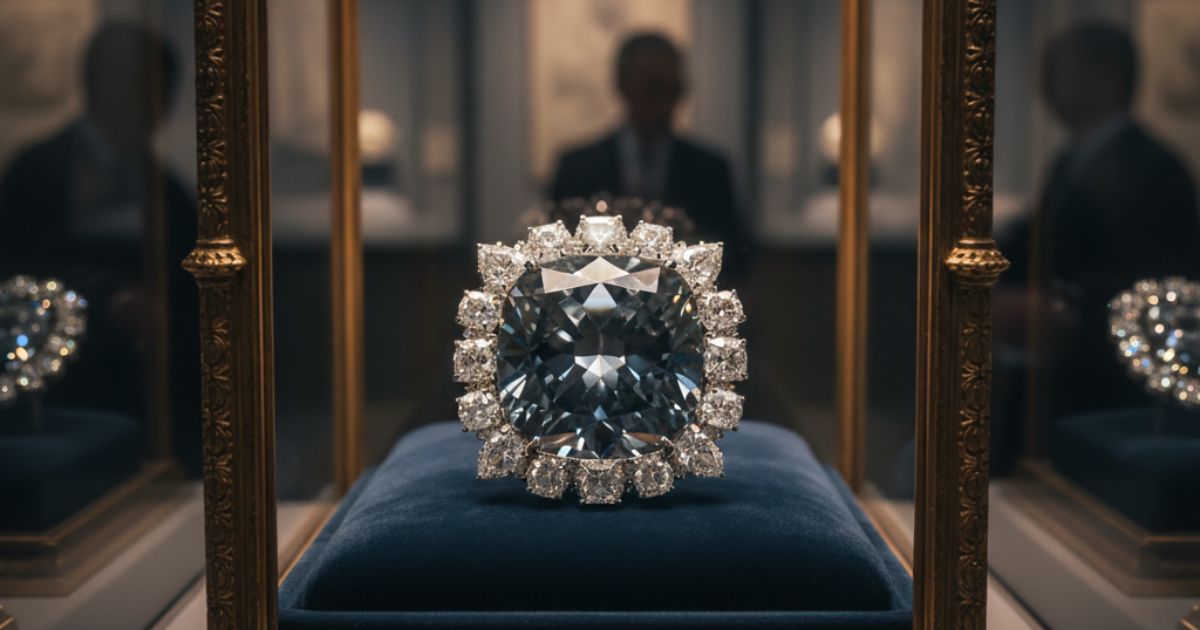
Known predominantly as the Tavernier Blue—named for the French gem dealer Jean-Baptise Tavernier—the Hope Diamond is a hugely vendible gem veiled in paradox, lore, and custom. The narrative of the diamond's journey from its origin to its noble guardianship is profuse in legend and folklore. As a testimony to the timeless appeal of priceless jewels, hope for diamond booths. The Kollur mines in Golconda, India, are said to be the source of Hope Diamond. It had been under several different masters over the years before being finally acquired by the renowned jeweler Harry Winston in 1949. The diamond was given by Harry Winston to the Smithsonian Institution in 1958, and it is currently on display there. Without delving into the mysterious heresy that blatantly spooks its glittering exterior, no confabulation of the Hope Diamond could be summoned completely.
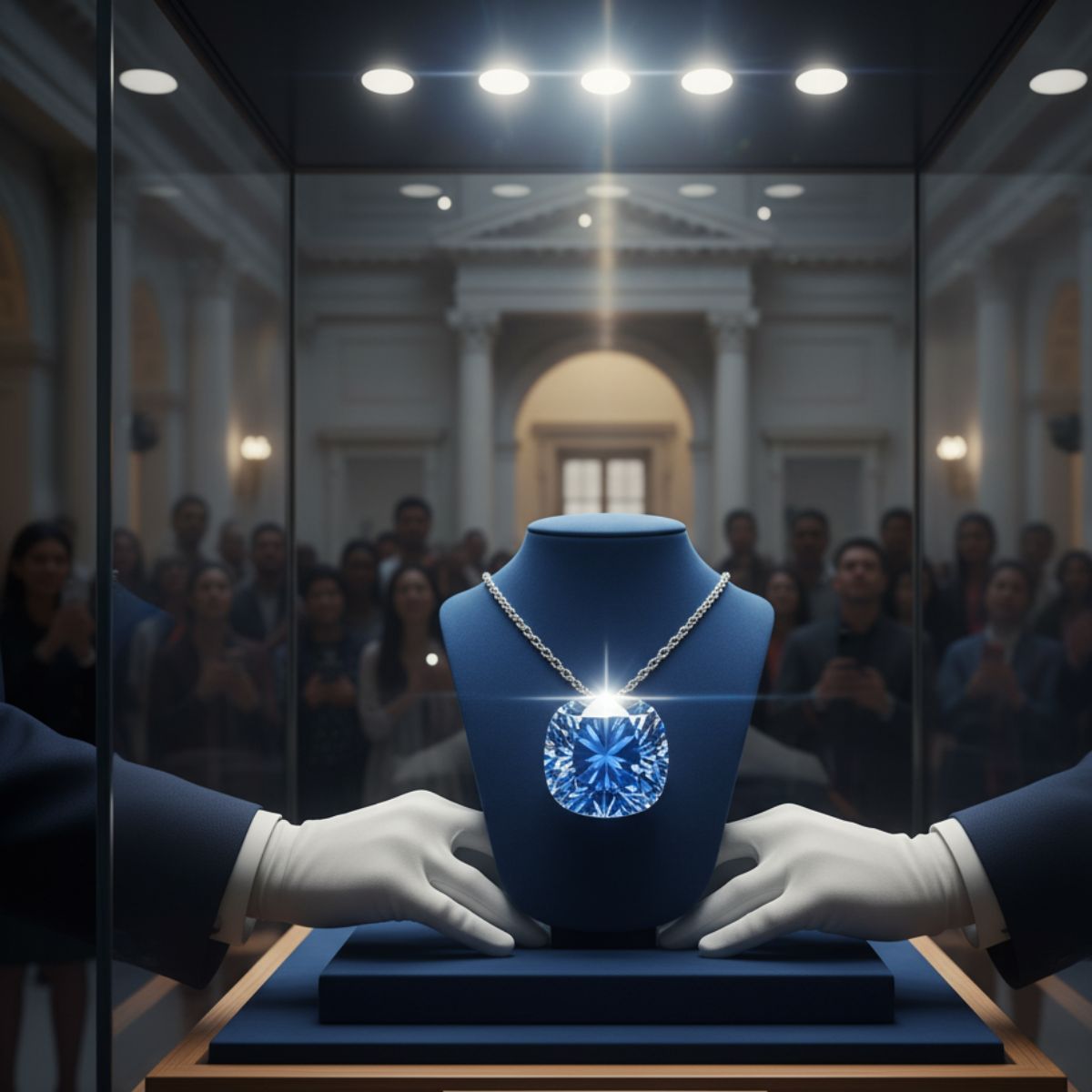
The true source of the curse is still unknown, bewildering historians and gemologists in the same way that they have bewildered the codes of fate and karma. Every aspect of the diamond, from its rare blue color to its flawless perspicuity, tells a story of natural splendor and geological mystery, providing insight into the inner workings of the earth. The Hope Diamond was involved in several valiant swoops, furtive deals, and global intrigue during the tempestuous 20th century. This noteworthy jewel will stir and furnish hope for future generations, having come from coy beginnings to its haughty nestle as a cultural icon. With every patrician family that took care of it, its mythology grew, and its pomp and flair were brewed with a sense of mystery that was extravagantly merited.