

FROM ROYAL COURTS TO MODERN RUNWAYS: EXPLORING THE RICH HERITAGE OF PUNJABI JHUMKAS
etBri Team
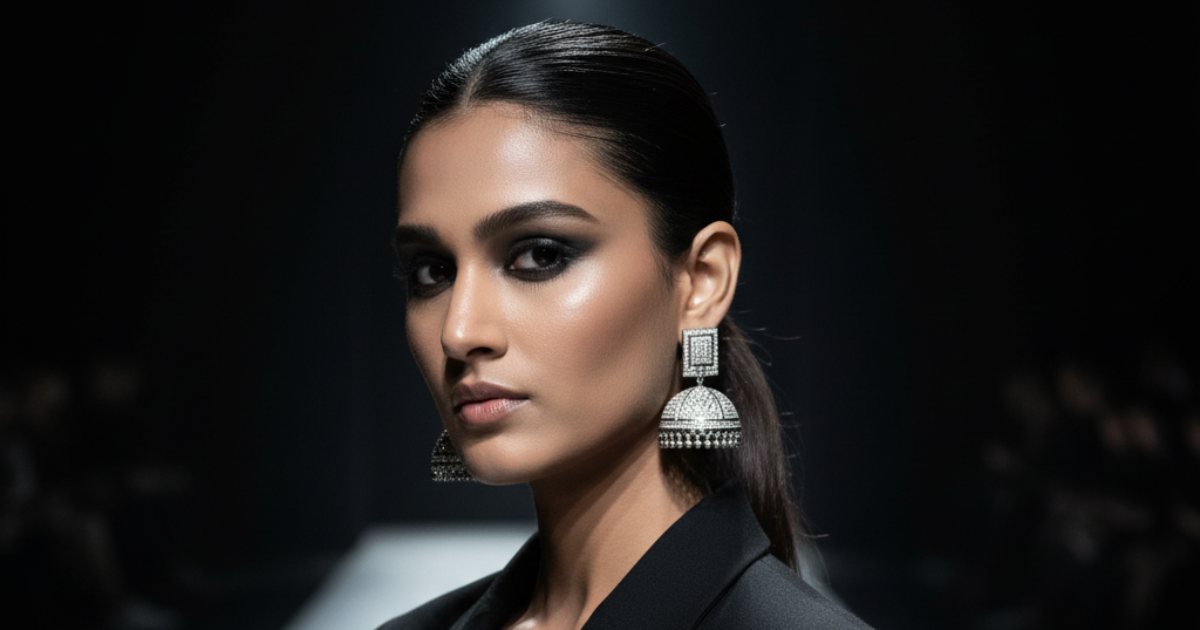
Jhumkas date back to Mughal times, when they were part of the imperial jewelry collection. The Mughals, known for their love of art and beauty, greatly influenced Jhumka design with their elaborate designs and workmanship in jewelry. Punjabi culture deeply instills Punjabi jhumka, an important aspect of traditional Indian jewelry. For donkey's years, these bell-shaped earrings—which are on the map for their top-of-the-range workmanship and baroque designs—have mounted up to refinement and beauty. During the Mughal era, artisans crafted Jhumkas from high-priced metals like gold and silver, snazzing them up with pearls, jewels, and enameling. The smart as whip and bleeding-edge craftspeople of Punjab embarked on and improved these patterns, producing distinctive variants that captured the spirit of the state. Many social and cultural settings reserve a particular position for Punjabi jhumka. They represent social identity, marital position, and cultural legacy more than they do mere ornamentation. Often passed down as heirlooms through the years, they represent cultural continuity and family ties. At festivals such as Baisakhi and Lohri, women wear traditional clothing like jhumkas, honoring Punjab's rich cultural legacy.
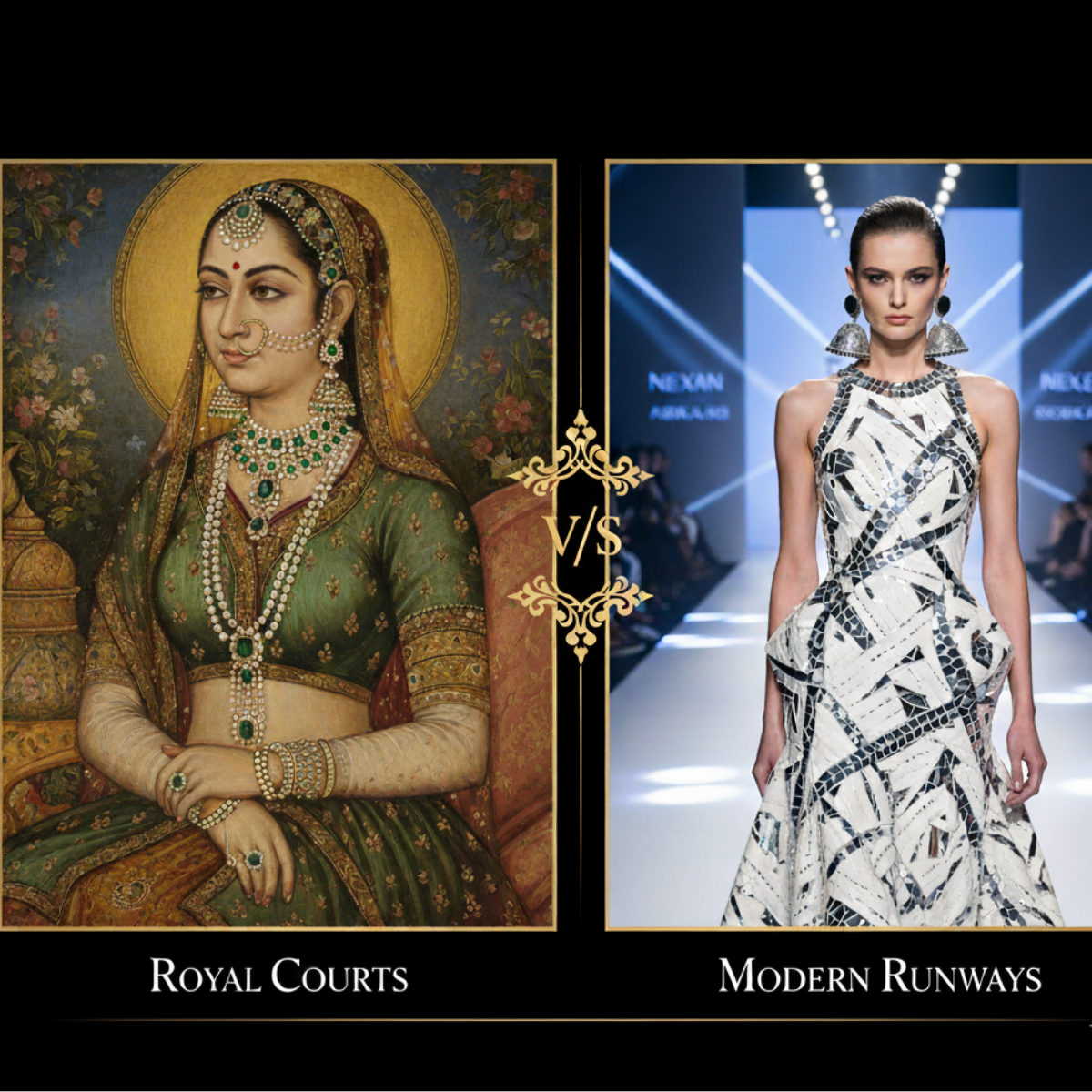
The traditional design and material of jhumkas often reveal the wearer's socioeconomic status. Richer people may wear jhumkas wrought of gold and precious stones, but others wear more elementary designs fashioned of silver or other less costly materials. At Punjabi weddings, the jhumka epitomizes the bride's sublime position. Gifted to the bride by the groom's family, it represents the change from maidenhood to married life. Beyond cultural borders, jhumkas have become a core of international fashion accessories. Regular appearances in fashion shows, celebrity wear, and features in fashion magazines further enhance their reputation as a classic and adaptable item of jewelry. Today, lightweight materials like brass and artificial stones make jhumkas more comfortable to wear on a daily basis, satisfying contemporary comfort requirements. The Punjabi jhumka's persistent popularity stems from its ability to adapt to volatile popular culture. It is a piece of jewelry that holds culturally significant stories, represents Punjab's rich history, and demonstrates expert craftsmanship. We honor the jhumka makers' cultural heritage and the ornaments' beauty.