

EXPLORING LAB-GROWN vs NATURAL GEMS
etBri Team
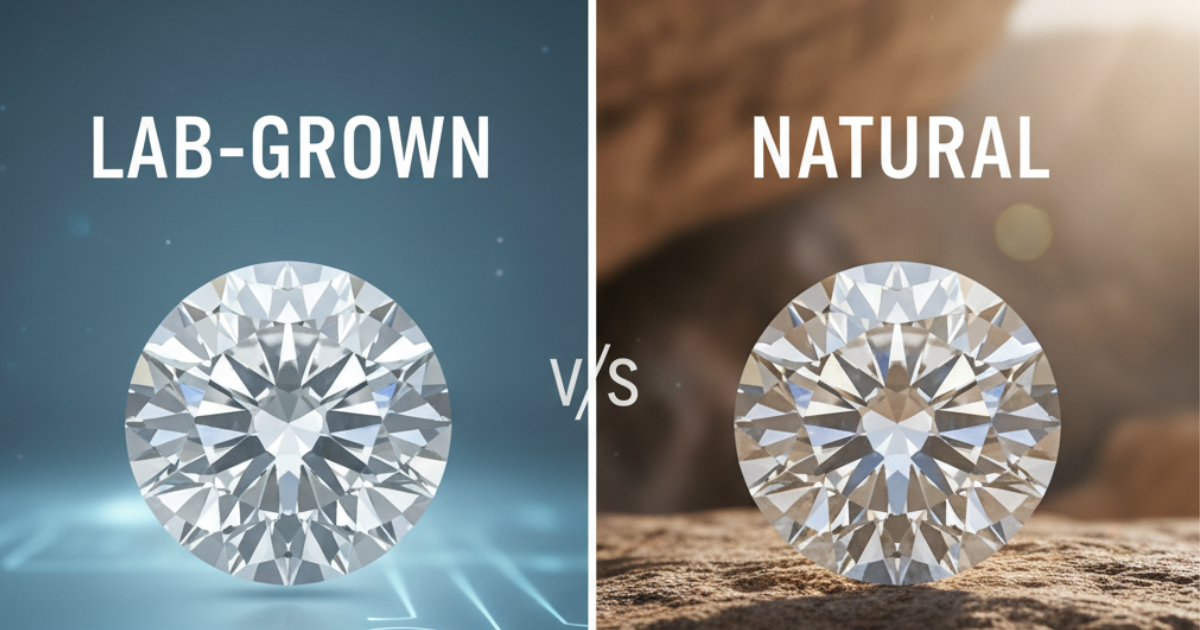
Altercations on the virtues of lab-grown diamonds as antagonistic to their natural peers overlay a vast array of issues, including ethics, economics, science, and the environment. Opposed to lab-grown diamonds, which are fabricated in a high-tech laboratory environment, natural diamonds are formed deep down the Earth's crust throughout millions of years. Consider the disparity between store-bought and homemade cookies as a simile: both are delectable but prepared differently. "Are they the same?" Now I'll tell you: Pure carbon atoms bunched in that representative crystal lattice shape that gives diamonds their brilliant power exist in both naturally occurring and lab-grown diamonds, making them chemically very analogous.
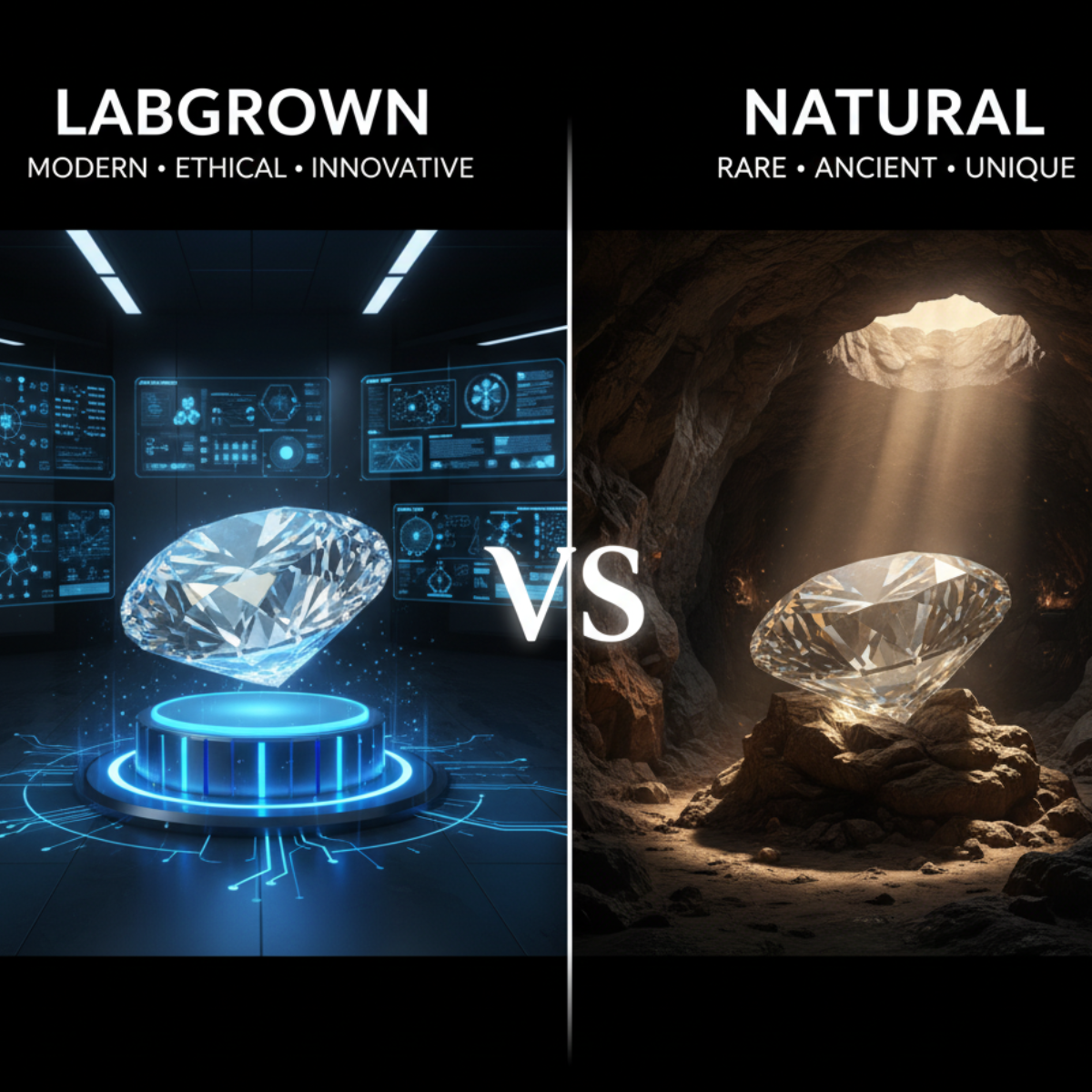
Now this is where things get captivating—due to the systemized environment in which lab-grown diamonds are crafted, they frequently appear even more immaculate and transparent than natural diamonds. Slight flaws detract from their riveting brilliance. Some people are vigilant about buying natural diamonds because of their debatable origins and the odds of conflicting diamonds or other derivatives of unethical mining activities. Furthermore, a cardinal difference is the brunt on the environment from lab-grown diamonds vs. naturally occurring diamonds.
Natural diamonds cause land devastation, water contamination, and carbon emissions, while lab-grown diamonds minimize apprehensions of habitat destruction and resource depletion. In terms of price, perceptive consumers may save up to 40% by purchasing lab-grown diamonds instead of real diamonds. This makes them a more inviting option. Regard a natural diamond if you exalt the idea of a stone with a history as ancient as the universe. But a lab-grown diamond can be consummate for you if you're into modern technology, want to save money, and want to take pride in your purchase. The bling trip is waiting for you, so shine brightly!