

EXPLORING DIAMOND SHAPES
etBri Team
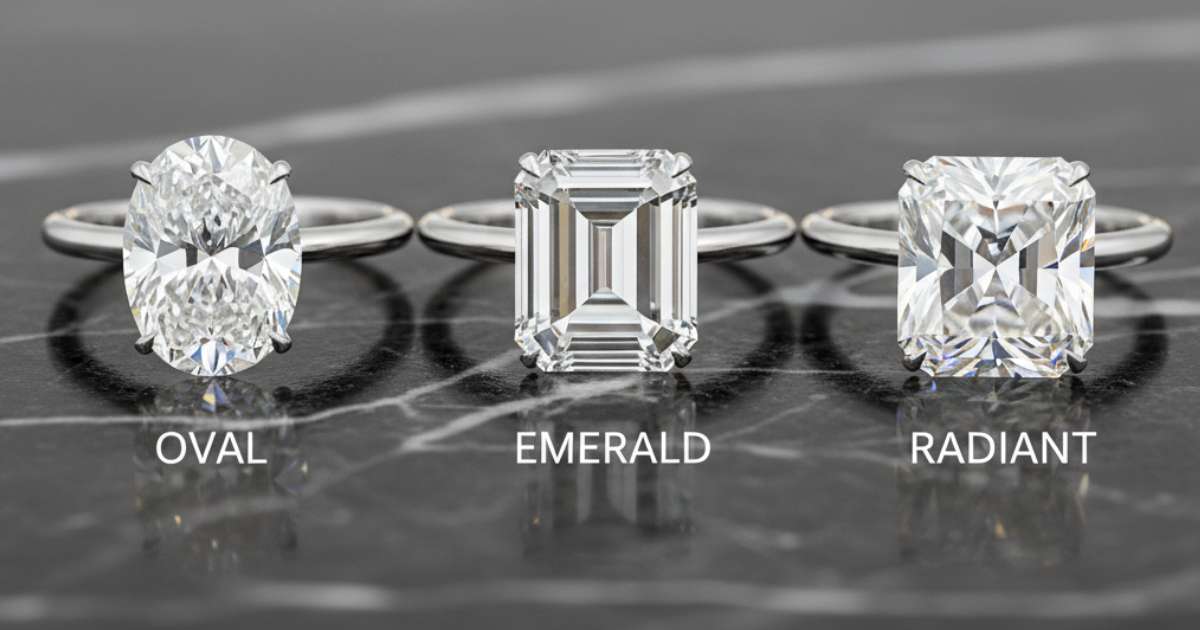
OVAL: Considering its remarkable fuse with glare and elegance, the oval cut promptly became popular. Diamond cutter Lazare Kaplan is credited with generating the oval-shaped diamond. Kaplan drew accuracy and dazzling radiance to the diamond cutting and shining industry, reforming it. Oval diamonds emerge larger than other diamond shapes with commensurate carat weights due to their oblong shape. The oval shape may primarily mimic the established round brilliant cut, but it can be characterized by its unique elongated draft upon tighter analysis. The baubles of bracelets or frills flowing the length of the piece can be made out of oval-cut gemstones. They are relevant for both ceremonial affairs and casual use because they are a blend of refinement and pliancy. The oval diamond shape blossoms among the many other shapes that are attainable because it is a portrayal of taste, finesse, and adaptability. The oval cut is still a well-known option for people looking for a vintage yet unparalleled diamond form, as palates and trends shift.
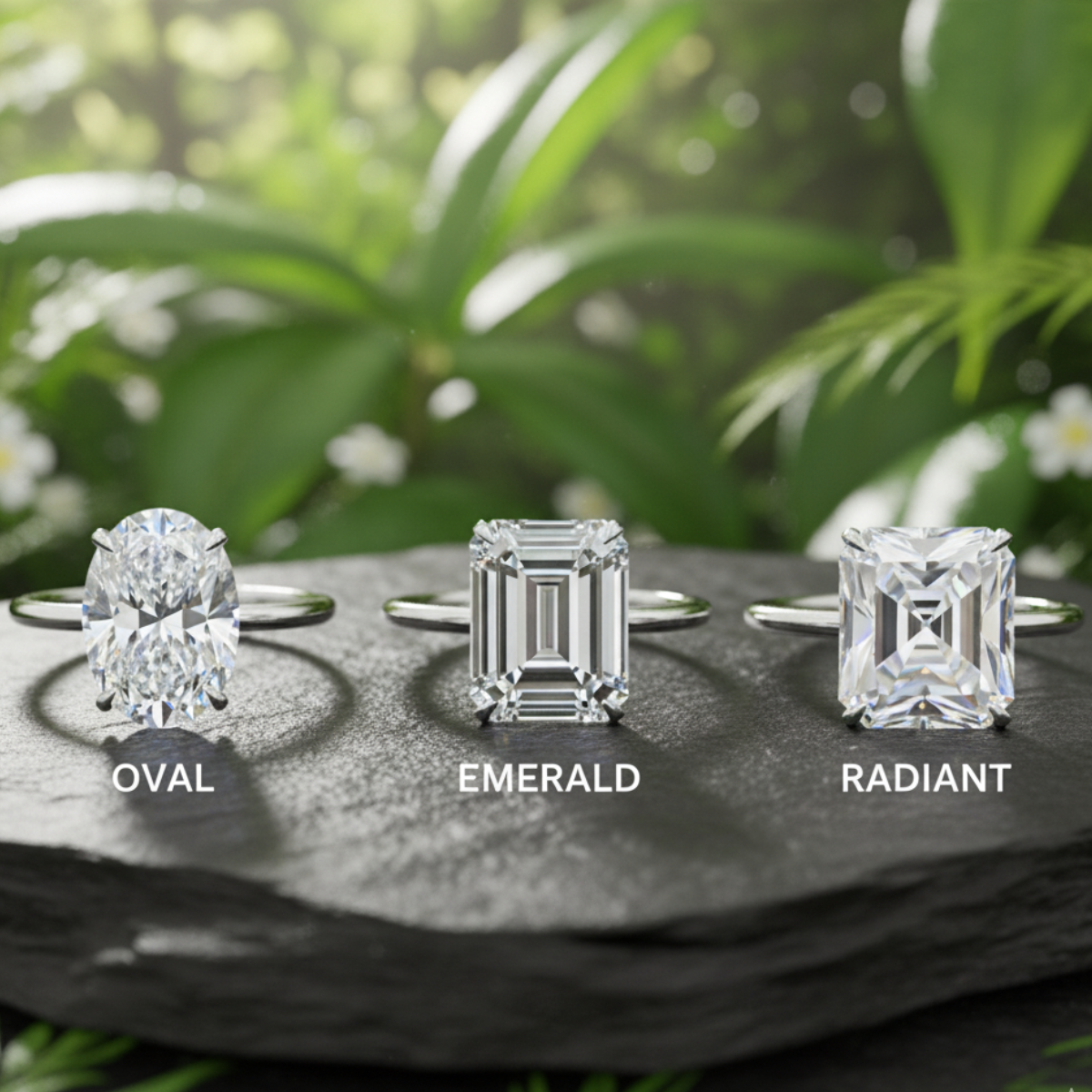
EMERALD: The emerald-cut diamond endures to beguile and rouse with its eternal beauty and muted enchantment, irrespective of decking the finger of a prospective bride or adding a tinge of charisma to a red carpet garb. Over time, advancements in diamond-cutting technology have granted improved accuracy and uniformity in fabricating emerald-cut diamonds. The inventor of the emerald cut is not conclusively known; the cut acquired fame during the Art Deco period in the 1920s and 1930s, notably in the United States. When choosing an emerald-cut diamond, it's vital to contemplate the features of the cut; doing so will enormously influence its entire beauty and brilliance. One of the shaping attributes of the emerald cut is its oblong shape, which invents the chimera of increased size and elevates the diamond's innate perspicuity. This cut hallmarks a rectangular or square shape with clipped corners and step-cut facets that form a hall-of-mirrors impact when glanced from above. Celebrities and clad models alike have been glimpsed adorning emerald-cut diamonds, fastening their stature as a symbol of sophism and nuance.
RADIANT: Radiant-cut stones fixed in a solitaire setting or wreathed by smaller accent diamonds make a spectacular pivot on the ring finger. Their square or rectangular frame with rounded sides imparts a congenial fusion of modern and traditional styles. Chief diamond cutter Henry Grossbard invented the radiant cut in the 1970s. Celebrities who preferred the radiant cut for their engagement rings, like Khloe Kardashian and Jennifer Lopez, aided in disseminating the design. Notable technical peculiarities are another fresh highlight of radiant-cut diamonds. Its seventy facets allow an astounding show of glare and glitter when gingerly set in a contour that magnifies light reflection. Opposed to certain other diamond cuts that have definite measurements to trail, the radiant cut can have an assortment of length-to-width ratios without forfeiting its brilliance. It has a rare and modern facade, thanks to the way it carves dazzling facets with downright lines.