

Baguette Diamond Ring Design Story: The Invictus Wrap
etBri Team
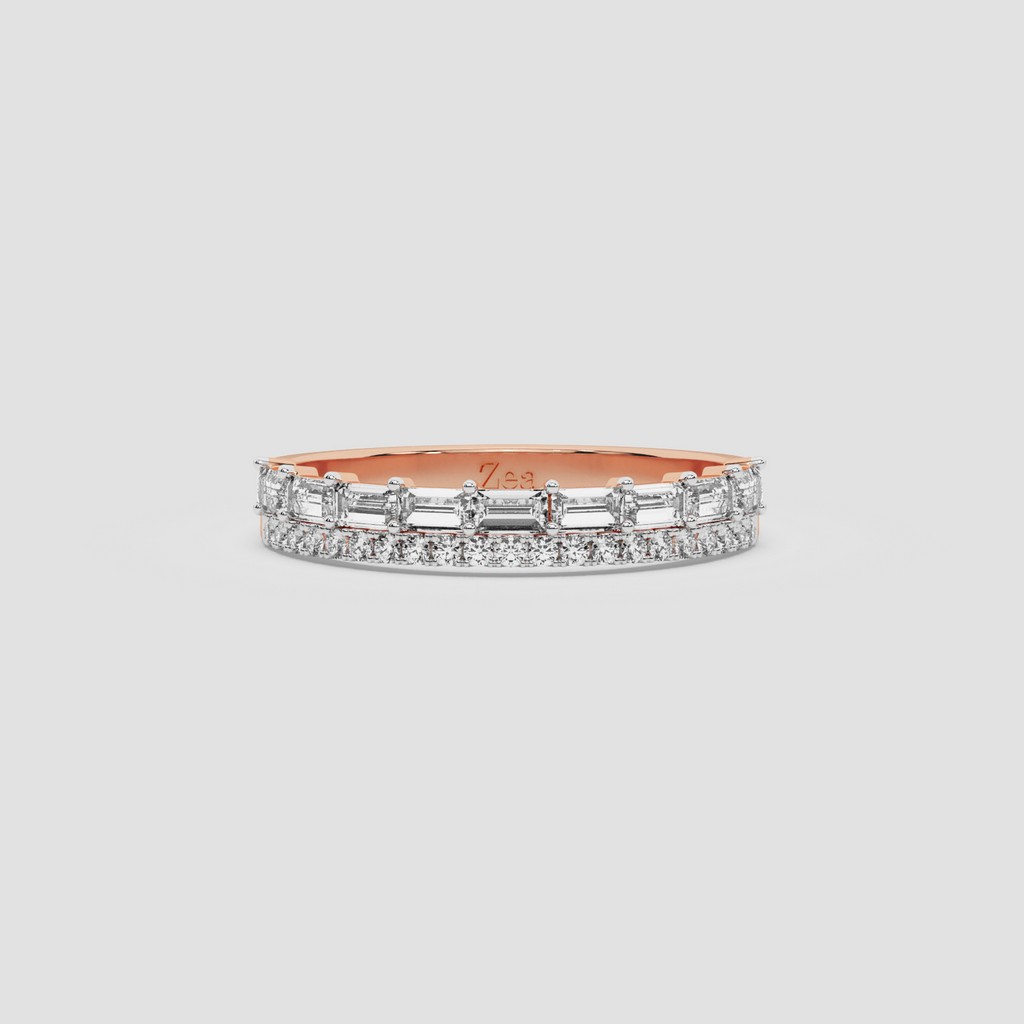
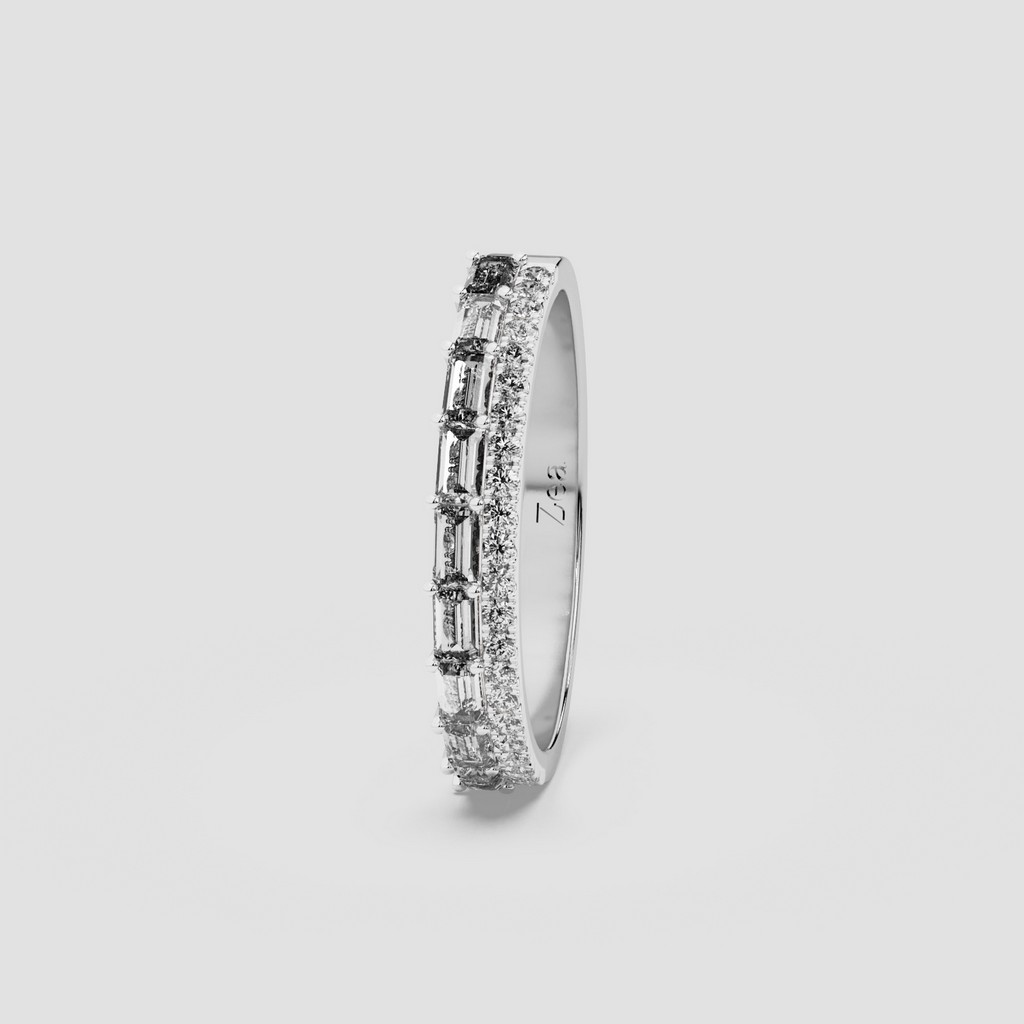
Most diamond bands fail at a fundamental level. They present stones without logic, metal without intention, form without function. The conventional approach treats diamonds as decoration rather than structure, resulting in pieces that sparkle without substance. The baguette diamond ring, when designed with intention, operates differently. It demands that every element earn its place. The Baguette Elegance Wrap exists because the market lacked a band that could move between a boardroom presentation and an evening reception without costume-changing. This piece was engineered to solve that specific problem. What follows is the design thinking behind this ring. The constraints faced. The decisions made. The reasoning that shaped every proportion, every setting angle, every gram of metal. The baguette cut emerged in the 1920s alongside Art Deco architecture. It shares DNA with the movement. Clean lines. Deliberate geometry. An absence of ornament for its own sake. These are not arbitrary aesthetic choices. They communicate a specific sensibility. The wearer who gravitates toward this form typically values precision over ornamentation. The category suffers from predictable failures. Understanding what this piece avoids clarifies what it achieves. The modern engagement ring market perpetuates these shortcuts because they simplify manufacturing. Design discipline requires additional engineering. The Baguette Elegance Wrap was built against these shortcuts. Every design begins with a problem statement. This one: create a band substantial enough to wear alone, refined enough to stack, and versatile enough for daily professional contexts. The silhouette emerged from wrap logic rather than band logic. Traditional bands present a uniform circumference. The wrap form creates a visual beginning and end, a sense of intention rather than mere encirclement. This directionality gives the piece presence without bulk. Stone placement follows a deliberate hierarchy. Nine baguette diamonds occupy the primary visual field, arranged in a continuous linear sequence totalling 0.54 carats. Twenty-one round-cut diamonds, totalling 0.14 carats, occupy secondary positions. The rounds do not compete with the baguettes. They punctuate. They frame. They provide textural contrast without disrupting the primary geometric statement. The setting architecture balances visibility against security. Each baguette sits in a channel-influenced position that exposes maximum surface area while protecting the vulnerable corners of step-cut stones. The rounds receive minimal prong work. This decision prioritises light entry over metal presence. Metal weight calibration required multiple iterations. Too heavy and the piece becomes a commitment to wear. Too light and it loses the substantive feel that justifies fine jewelry. The final distribution places structural reinforcement where stress concentrates while minimising material where it adds only weight. A contemporary certified baguette cut diamond ring demands this balance. Proportional relationships govern the overall impression. The baguette width relative to band width. The band width relative to standard finger proportions. The stone height relative to profile thickness. Each ratio was tested against comfort, durability, and visual balance. The 0.54 carat baguette allocation across nine stones creates individual stones of approximately 0.06 carats each. This specific sizing serves the wrap form. Larger individual baguettes would require a wider band. Smaller ones would lose visual impact. Baguette behaviour differs fundamentally from brilliant cuts. The step faceting produces broad flashes of light rather than scintillation. In motion, baguettes show a rhythmic pulse. Still, they display hall-of-mirrors depth. This behaviour suits professional environments where controlled elegance outperforms sparkle. The 0.14 carat round allocation across twenty-one stones creates accent diamonds of approximately 0.007 carats each. These function as visual texture rather than focal points. Their brilliant-cut faceting provides the only scattered light in the design, creating necessary contrast against baguette linearity. Combined weight of 0.68 carats delivers presence without ostentation. This piece reads as serious jewelry without announcing itself. The stackable diamond ring application benefits specifically from this restraint. Multiple bands can layer without overwhelming. Every diamond carries IGI or SGL certification. This third-party verification confirms cut quality, colour grade, and clarity. For step-cut stones particularly, certification matters. Baguettes show inclusions more readily than brilliant cuts. Verified clarity ensures the hall-of-mirrors effect remains clean. Gold purity changes more than colour intensity. It affects weight, durability, and long-term behaviour. The baguette diamond rose gold band ring for women takes on distinct character at each purity level. At 10 Kt, the alloy composition creates maximum hardness. This purity resists scratches and deformation better than higher karats. The colour presents lighter, more subtle. For active daily wear where the ring faces consistent contact, 10 Kt offers practical resilience. The luxury band ring at this purity prioritises longevity over richness. At 14 Kt, balance emerges. The gold percentage provides recognisable warmth while alloy metals maintain structural integrity. This middle position serves most wear patterns. Professional diamond jewelry often specifies 14 Kt because it handles daily contexts without requiring unusual care. Colour saturation reaches the point of clear identity without approaching softness. At 18 Kt, the highest purity available, gold dominates the alloy. Colour reaches maximum depth and warmth. The metal feels different in hand, softer with more give. A luxury stackable diamond ring 18k rose gold represents investment-grade material. This purity suits occasions where the piece receives conscious care, or where heirloom intention guides the purchase. BIS hallmarking certifies each purity level. This government verification confirms that stated karat matches actual composition. Every Zea piece carries this hallmark as standard. The Baguette Elegance Wrap takes different character in each available metal. None is superior. Each serves different aesthetic contexts. The sleek rose gold engagement band India market often requests complements existing white gold solitaires. The Invictus collection supports this cross-metal approach. Explore the full Invictus collection to see how pieces coordinate across metal colours. Acquiring fine diamond jewelry requires specific verification. These criteria apply broadly but particularly to this design. Zea provides certification documentation and hallmark verification with every purchase. This design rewards appropriate care. Specific maintenance ensures long-term integrity. Styling this piece follows its design logic. It was built for specific contexts. Baguette cuts produce broad light flashes rather than scattered sparkle. The step faceting creates depth and geometric precision that brilliant cuts cannot achieve. This contemporary certified baguette cut diamond ring uses that characteristic intentionally, positioning baguettes as structural elements rather than mere decoration. The linear arrangement amplifies the architectural quality. The design specifically addresses daily wear requirements. Channel-influenced settings protect vulnerable baguette corners. Metal distribution reinforces high-stress points. At 14 Kt or 10 Kt purity, the alloy composition provides additional durability. Remove during high-impact activities but expect full performance in standard professional contexts. Active lifestyles with frequent hand contact benefit from 10 Kt hardness. Standard professional wear suits 14 Kt balance. Occasional wear or investment purchases justify 18 Kt richness. All three purities receive BIS hallmarking and carry identical design integrity. The choice reflects personal context rather than quality hierarchy. These independent laboratories assess each diamond for cut quality, colour grade, clarity, and carat weight. Certification confirms that stones meet stated specifications. For baguette cuts specifically, clarity certification matters because step facets reveal inclusions more readily than brilliant cuts. Certificates accompany every Zea purchase. Consider existing jewelry collection, skin undertone, and intended context. Rose gold introduces warmth and pairs well with mixed-metal stacking. White gold maximises diamond contrast and suits formal settings. Yellow gold carries traditional weight and complements warmer complexions. None is inherently superior. Each serves different aesthetic intentions. The Baguette Elegance Wrap represents design thinking applied to material and form. Every proportion was tested. Every element justified. The result holds quality across time and changing contexts because it was built on principle rather than trend. Shop Now to acquire this piece, or explore the Invictus collection to discover coordinating designs.What the Baguette Form Communicates
What Most Diamond Band Designs Get Wrong
The Core Structural Decisions Behind the Baguette Diamond Ring
Stone Architecture: Why These Cuts at These Weights
How Karat Purity Transforms This Design

Three Metal Colours, Three Distinct Expressions
Verification Criteria Before Purchase
Preservation and Contextual Styling
Frequently Asked Questions
What distinguishes baguette cut diamonds in this ring design from typical diamond bands?
Can this baguette diamond ring withstand daily professional wear?
Which karat purity suits which lifestyle best?
What do IGI and SGL certifications verify for this piece?
How should buyers choose between rose gold, white gold, and yellow gold?